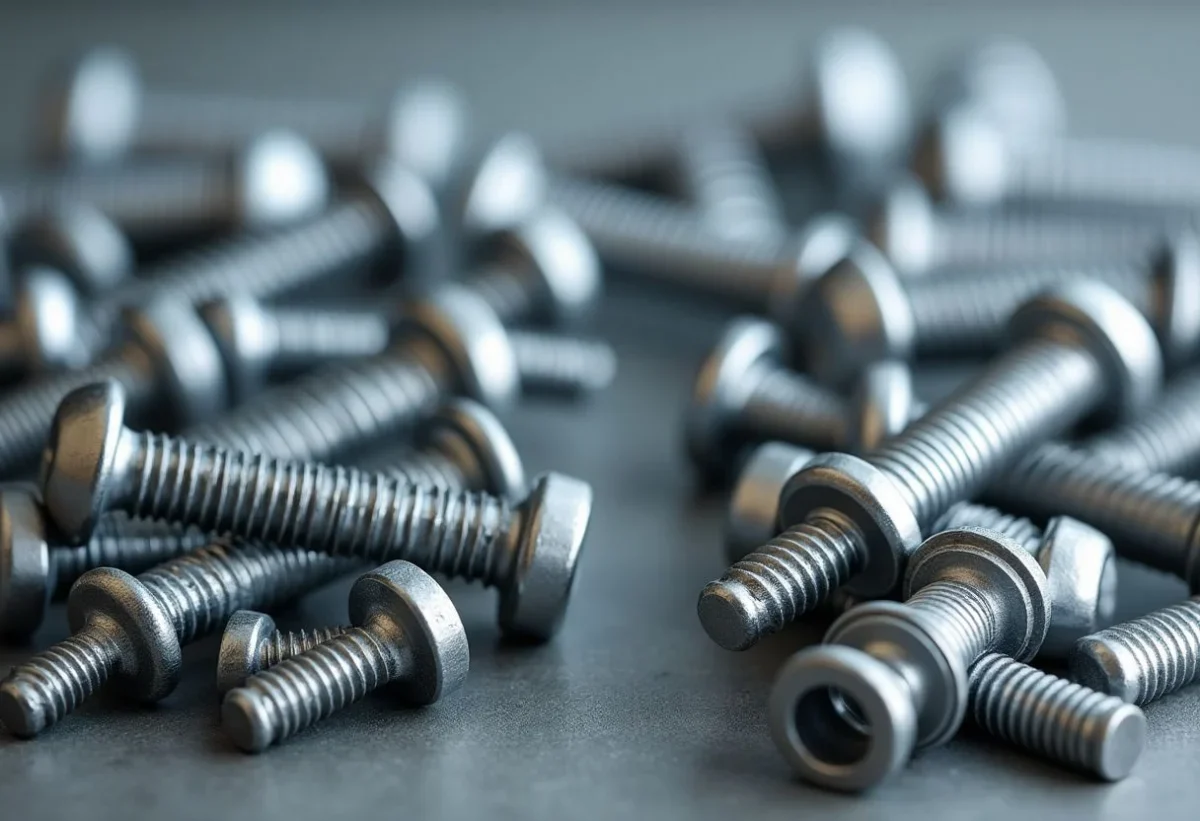
When it comes to choosing the right material for your fasteners, two major options present themselves: galvanized steel and stainless steel. Each offers distinct characteristics that can be crucial depending on the application. Whether it’s for a construction project or for industrial applications, making the right choice can influence the durability and efficiency of your fasteners.
Fastening Materials
What is galvanized steel?
Galvanized steel is a type of metal that has been coated with a layer of zinc to improve its resistance to corrosion. This galvanization process protects raw steel from external elements such as moisture and temperature variations. Thanks to this coating, galvanized steel is widely used in outdoor environments and industrial structures where protection against rust is essential. Discover more details about this material by following this link: galvanized steel.
What is stainless steel?
Stainless steel, on the other hand, is an alloy made up of iron, chromium, and often nickel. This mixture offers excellent corrosion resistance, making it ideal for applications in humid environments or exposed to chemicals. Its polished and aesthetic surface also gives it an advantage in projects where visual appearance is crucial, such as in kitchens or architecture.
Comparison of Material Properties
Corrosion Resistance
Stainless steel offers higher corrosion resistance than galvanized steel, especially in humid environments or when exposed to chemicals. This is mainly due to the presence of chromium in its composition, which forms a protective passive layer. On the other hand, galvanized steel, with its zinc coating, is also designed to resist corrosion, but it is often more suitable for applications where contact with aggressive agents is less frequent.
Durability and Longevity
In terms of durability, stainless steel is often considered superior due to its ability to withstand corrosion and high temperatures. This translates to a longer lifespan for stainless fasteners. However, galvanized steel remains a cost-effective and efficient option, particularly for short-term applications or when lower costs are a priority.
Applications of Materials in Various Projects
Use of Galvanized Steel
The choice of galvanized steel is often favored in wood construction projects, maritime infrastructure, as well as for safety equipment like barriers and fences. Its wear resistance and relatively low cost make it ideal for projects requiring large quantities of materials.
Use of Stainless Steel
Stainless steel is widely used in applications requiring strict hygiene and chemical resistance, such as in the food, medical, and pharmaceutical industries. It is also valued for design and architectural work where its polished and durable appearance is an asset.
Advantages and Disadvantages of Materials
Advantages of Galvanized Steel
In addition to being economical, galvanized steel is readily available and offers good corrosion resistance for a reduced maintenance cost. This makes it particularly suitable for uses where large quantities of material are needed without sacrificing protection against the elements.
Advantages of Stainless Steel
Stainless steel offers excellent long-term corrosion protection, making it a wise investment for applications requiring increased durability and minimal maintenance. Its ability to withstand harsh conditions makes it a top choice for demanding environments.
Which Material to Choose?
Factors to Consider for Your Choice
The choice between galvanized steel and stainless steel depends on several factors: the environment in which the fasteners will be used, the project budget, and the desired lifespan.
In general, stainless steel is preferred for applications where corrosion resistance and aesthetics are priorities, while galvanized steel is ideal for more economical projects where large quantities of materials are required.
Final Recommendations
For projects requiring increased corrosion resistance and limited maintenance, stainless steel is often the best choice. For applications where cost is a major concern, galvanized steel offers an effective solution.
Consider the specific needs of your project to make the most informed choice possible.