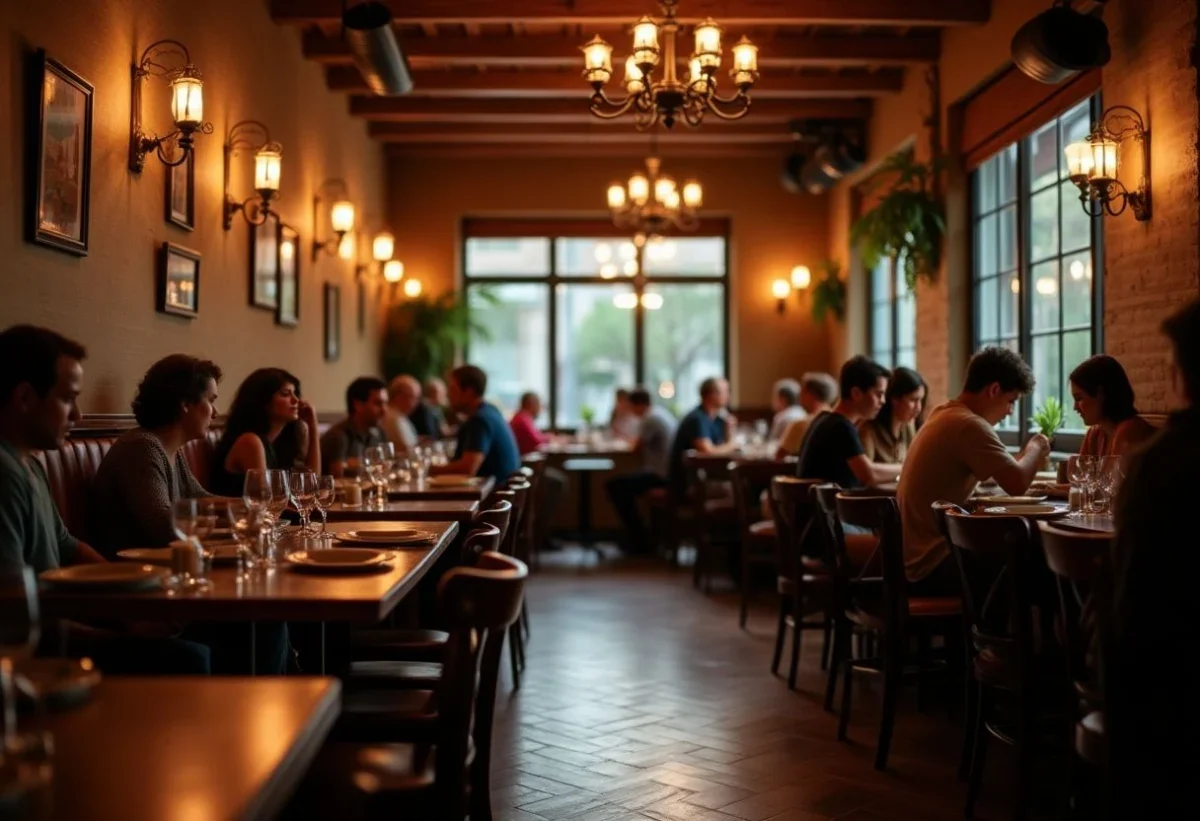
In the dynamic world of catering, every detail matters. Establishments, whether fine dining or fast food, rely on a set of tools to bring their culinary creations to life. Catering equipment is often the foundation upon which the quality of service rests. From the kitchen to the dining room, these tools are designed to optimize every action, facilitate dish preparation, and enhance the customer experience. Whether for preparation, cooking, storage, or presentation, each element is important and must be chosen carefully.
The fundamentals of professional kitchen equipment
At the heart of every establishment is the kitchen, the true workshop of the chef, where equipment plays an essential role. Each piece of equipment must meet strict standards and specific requirements to ensure efficiency and safety.
- Cooking plates: They are the nerve center of any kitchen. Whether gas, electric, or induction, their choice depends on energy needs and the chef’s preferences.
- Professional ovens: Versatile, they allow for precise cooking. Combined models, which integrate convection heat and steam, offer unparalleled flexibility.
- Cutting equipment: Knives, mandolins, and food processors are essential for preparing each ingredient with the utmost precision.
- Refrigeration: A rigorous cold chain is essential to maintain the freshness of products. Cold rooms and refrigerators must be reliable and efficient.
Service equipment: creating an unforgettable customer experience
If the kitchen is the heart of a restaurant, the dining room is its soul. Service equipment plays a crucial role in the relationship between the restaurant and its customers, helping to create a unique atmosphere.
Plates and glasses not only serve to hold food and drinks but also contribute to showcasing culinary creations. The variety of shapes and materials allows for playing with textures and colors for an elegant presentation. Cutlery is also carefully chosen to complement the sensory experience of diners.
Furthermore, tools such as service carts facilitate the transport of dishes while adding a touch of sophistication to the service. The choice of table linens should not be overlooked either: tablecloths, napkins, and placemats should harmonize with the restaurant’s style.
Technological innovations: transforming modern catering
With the evolution of technology, the catering sector has undergone significant transformations. Recent innovations are changing the way professionals interact with their equipment.
Connected and automated equipment is increasingly present in modern kitchens. Ovens, refrigerators, and other appliances can now be controlled remotely, optimizing the management of time and resources. Moreover, mobile applications and management software facilitate inventory tracking, order taking, and reservation management. These tools allow for better responsiveness to the changing needs of customers. This digital revolution goes hand in hand with a heightened sensitivity to the environment, pushing establishments to adopt more sustainable and eco-friendly solutions.
Choosing the right equipment: tips and tricks for restaurateurs
Faced with a plethora of options, choosing the right catering equipment can be complex. A few tips can guide restaurateurs in their decisions.
- Analyze your needs: Each type of cuisine requires specific equipment. It is crucial to clearly define your concept to invest wisely.
- Prioritize quality: Quality equipment is a long-term investment that ensures safety and durability.
- Consult professionals: Surrounding yourself with expert advice can help make the right choices and avoid costly mistakes.
- Consider the available space: Optimizing the layout is essential to ensure smooth circulation in the kitchen.