Navigating through the maze of cleaning tips to remove paint stains from a car can be challenging. Between old wives’ tales and commercial products, it’s easy to get lost. Several factors come into play: the type of paint, the age of the stain, the color, and the material of your bodywork. Fear not, solutions exist and are often simpler than one might think. Let’s discuss the steps to take to restore an immaculate bodywork while preserving its integrity and shine.
Paint stains on a car: effective methods to remove them
When it comes to removing paint from bodywork, it is imperative to prepare with the appropriate tools to ensure a precise and flawless operation. This task requires special attention to avoid any potential damage to your vehicle’s integrity.
A microfiber cloth should be the first tool in your arsenal. Its soft, non-abrasive texture will allow for gentle yet effective cleaning. It will be used to apply chemicals or to clean the car after removing paint from the bodywork.
You will also need a solution made of warm soapy water. This mixture will help eliminate any traces or residue that could complicate the process of removing paint from bodywork. Additionally, hot water tends to soften colored coatings, making them easier to remove.
Another essential item is a scraper or a soft plastic spatula specifically designed for this particular task of removing paint from bodywork. These tools are designed to scrape effectively yet carefully without risking damage to the underlying metal.
If despite all your efforts you are unable to achieve satisfactory results, then resort to a special automotive trim solvent or professional remover known to be very effective when it comes to the delicate procedure of removing paint from bodywork.
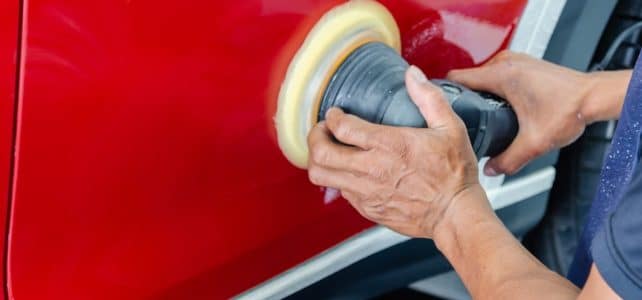
Finally, if even after these steps you cannot completely remove all persistent traces, consider using a professional electric polisher! Not only will it be able to eliminate the last remaining color particles that are still visible after the initial intervention, but it will also restore the original luster lost over time due to various inevitable natural wear from intense daily use of the vehicle!
Before anything else, however, conduct a preliminary test in a discreet corner to check the compatibility of the product used with the type of material present on the exterior surfaces of the car, thus avoiding causing unpredictable irreparable damage!
With patience, concentration, and the application of the right equipment, your chances of success are multiplied regarding the perfect execution of the main function of ‘total removal of every particle of embedded color traces deeply rooted in the structural chemical composition of the original material constituting certain car models currently available on the market!!’

The essential tools for removing paint stains from a car
Before you embark on the cleaning process to remove paint stains from your car, it is crucial to take certain precautions to avoid worsening the situation or further damaging the bodywork.
Ensure that your vehicle is parked in an appropriate location. Ideally, choose a shaded and well-ventilated space. This will not only allow for better visibility during cleaning but also facilitate quicker evaporation of the products used.
Protect the sensitive parts of your car by carefully masking the areas adjacent to the paint stain. Use special masking tape and newspaper to cover glass or chrome surfaces. This will prevent any accidental contact with the chemicals used during cleaning.
First and foremost, put on rubber gloves to protect your hands from potentially harmful substances present in some chemicals. Also, make sure to have a pair of protective goggles to avoid any splashes that could reach your eyes during the process.
It is essential to read the instructions provided by the manufacturer regarding the use of the specific chemicals you are going to use. Check especially if they are suitable for the type of surface you wish to treat (plastic, metal…).
Before even using these chemicals, it may be wise to test their effectiveness on a small, inconspicuous area of your car. This will allow you to assess the results and adjust the quantity or exposure time accordingly.
Be patient and methodical in your approach. Do not rush the cleaning process and ensure to make gentle and steady movements to avoid any additional scratches.
By following these precautions before starting the cleaning process, you increase your chances of achieving a satisfactory result while preserving the integrity of your car’s bodywork. Always remember that in case of doubt or if the stain is too significant, it is better to call in a professional who will know how to take all necessary measures to restore the original appearance of the vehicle without risking further damage to its overall condition.
Precautions to take before cleaning paint stains from your car
Once you have taken all the necessary precautions, you can now move on to the step-by-step process to remove paint stains from your car.
The first step is to clean the affected area with warm water and mild soap. Use a sponge or a clean cloth to gently scrub the surface and remove any dirt or dust that may be present. Be sure to rinse and dry the area well after the initial cleaning.
It’s time to move on to specific products for removing paint stains. There are several options available on the market, such as acetone-free removers or solvents specifically designed to eliminate automotive paint stains.
Apply the chosen product to a clean, lint-free cloth. Gently rub the stain in circular motions until it begins to lift. Be patient, as this may take a few minutes depending on the extent and nature of the stain.
If necessary, repeat this process several times until all the paint is completely removed. Feel free to use different amounts of the product if it facilitates the removal process.
Once you are satisfied with the result, rinse the treated area thoroughly with clear water to eliminate any potentially corrosive chemical residue.
Carefully dry the area with a clean, lint-free cloth. You may also use a specific polishing product to restore shine to the bodywork and diminish any slight marks caused by friction.
Remember that each situation is unique. You may need to adapt these steps depending on the severity of the stain or the type of paint involved. If you have doubts about your ability to perform the cleaning, it is always best to seek the help of a professional who can act safely and effectively.
By following these tips and proceeding with care, you should be able to eliminate unwanted stains without further damaging your car. Take the necessary time to carry out this operation correctly to achieve optimal results and thus preserve the impeccable appearance of your vehicle.
How to remove paint stains from your car step by step
If you prefer natural alternatives, know that there are also methods that can be used to remove paint stains from your car without resorting to harsh chemicals.
One option is to use white vinegar. Vinegar has acidic properties that can help dissolve paint. Soak a clean cloth in white vinegar and gently rub the affected area. Let it sit for a few minutes before rinsing thoroughly with clear water.
Baking soda is another effective natural alternative. Mix baking soda with a little water to form a thick paste. Apply this paste to the stain and gently rub with a lint-free cloth until the paint is removed. Rinse thoroughly afterward.
Olive oil can also be used to eliminate light paint stains on your car. Pour a little olive oil onto a clean cloth and gently rub the affected area until the paint gradually detaches. Again, be sure to rinse well after use.
If these alternatives are not sufficient or if you want quicker results, you can try using a mixture of lemon juice and fine salt. Squeeze the juice of a fresh lemon into a bowl and add a small amount of fine salt to create a paste. Apply this paste to the stain and gently rub with a clean cloth until the paint is removed. Rinse thoroughly afterward.
If you are dealing with a more stubborn or embedded paint stain, you can try using mineral spirits. However, you must exercise caution when using it as it can be flammable and corrosive to certain surfaces. Be sure to read the manufacturer’s instructions before use.
It should be noted that all these natural alternatives may work differently depending on the type of paint and its chemical composition. Therefore, it is recommended to conduct a preliminary test on a small hidden part of your car to avoid any additional damage.
There are several natural methods that can be used to remove paint stains from a car without resorting to harsh chemicals. It is always best to be cautious and wise in your choices to avoid any further damage to your precious vehicle.
Natural alternatives to remove paint stains from your car
Preventing the appearance of new paint stains on your car is essential to maintain its appearance and value. Here are some simple tips to follow to avoid future inconveniences.
It is recommended to park your car in a safe and protected location. Preferably choose a closed garage or a shaded area that offers protection from the elements and flying debris. This will significantly reduce the risk of exposure to external elements that can cause accidental paint splashes.
Consider regularly applying a protective layer to your vehicle’s bodywork. Products like wax or sealant can form a protective barrier against corrosive agents that can damage the paint. This additional layer will also help prevent paint stains from adhering by making the surface smoother and less prone to sticking.
Similarly, you should avoid substances that may damage your car’s paint. Avoid parking near other vehicles undergoing work or in front of construction sites where accidental splashes may occur. Be vigilant during manual or automated washing to use only suitable products so as not to alter the existing finish.
When driving on newly paved or freshly coated roads, exercise caution and avoid areas where fresh paint is still wet. These surfaces can be extremely sticky and cause significant damage to your vehicle if they come into contact with the bodywork.
Don’t forget to regularly inspect your car for any stains or paint splashes as soon as they appear. The sooner you act, the easier it will be to remove them before they dry and adhere permanently to the surface.
By following these simple yet effective tips, you can significantly reduce the risk of new paint stains appearing on your car. Preserving the integrity of its exterior finish will not only help maintain an aesthetically pleasing appearance but also preserve its overall value over time.
Tips to prevent the appearance of new paint stains on your car
If despite all the precautions taken, your car accidentally gets stained with paint, here are some effective methods to remove these unwanted marks.
The first step is to act quickly. The sooner you intervene after the stains appear, the easier it will be to remove them. However, keep in mind that some methods may be more or less suitable depending on the type of paint used and the nature of the stains.
Start by gently cleaning the affected area with a soft cloth soaked in warm soapy water. Be careful not to rub too hard to avoid further damaging the bodywork.
For small fresh stains of acrylic or water-based paint, use a microfiber cloth soaked in isopropyl alcohol. Lightly apply it to the surface in circular motions until the stain completely disappears. Don’t forget to rinse thoroughly with clear water and dry carefully afterward.
On the other hand, if you are faced with more stubborn stains, particularly from industrial or solvent-based paints used in construction or road marking, it is recommended to use an appropriate solvent such as acetone. Apply gently with a clean cloth and let it sit for a few minutes before gently rubbing to remove the stain.
For vehicles with metallic paint, it is best to use a gentler method to avoid altering the unique finish of this type of paint. You can try removing the stains using diluted white vinegar in water. Use a sponge soaked in this solution and make circular motions on the surface until you achieve the desired result.
If despite your efforts the stains persist, it is recommended to call in a professional specialized in automotive cleaning or your dealership, who will be able to apply specific techniques suited to your car without risking further damage to the bodywork.
While prevention remains the best option to avoid unwanted stains on your car, there are various effective methods to eliminate these unsightly marks. Be sure to act quickly and with caution to best protect the beauty and exterior integrity of your vehicle.