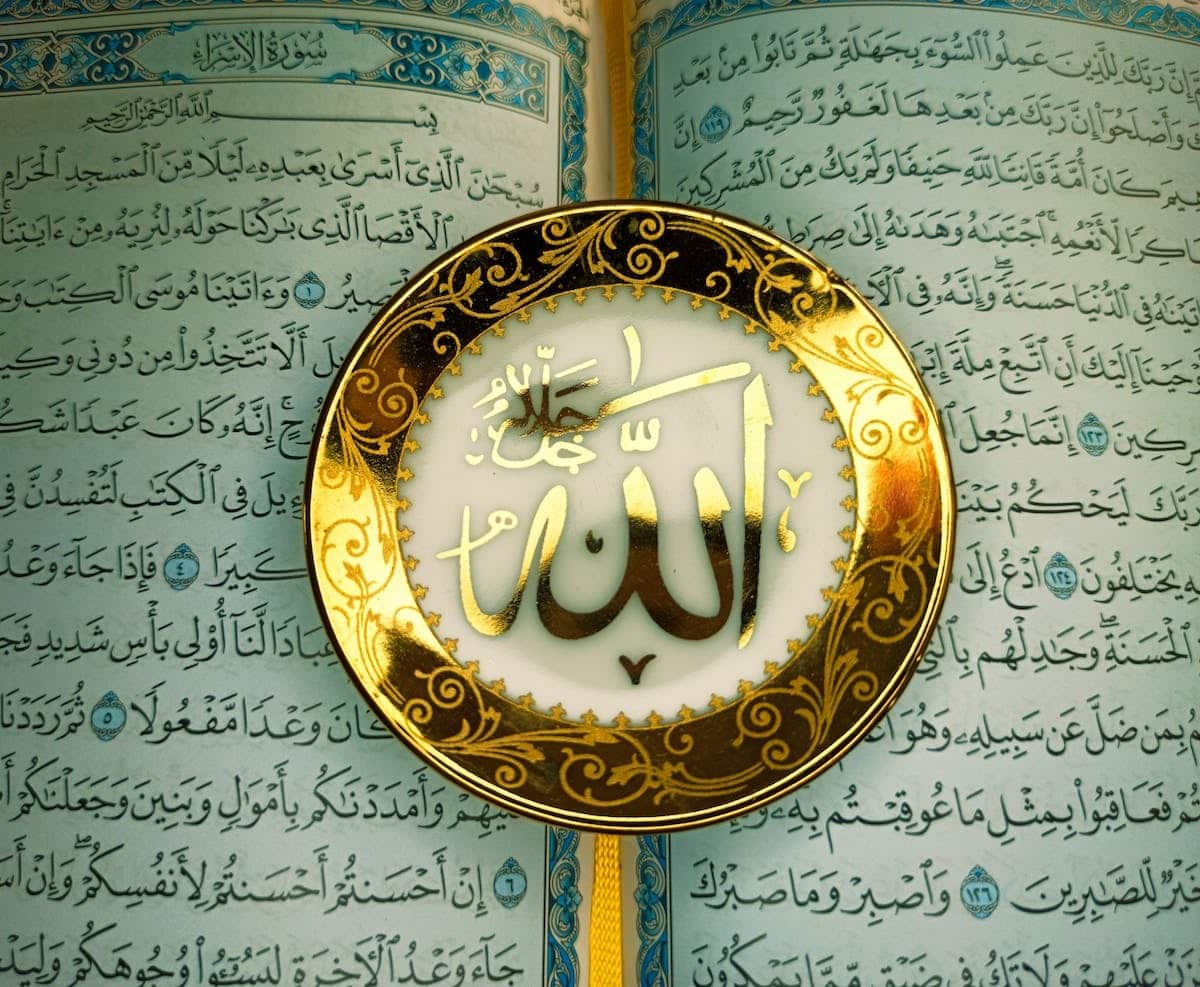
Let’s immerse ourselves in a fascinating universe, that of the beliefs and symbols contained in the Quran, the sacred book of Islam. It is an exploration of deep spirituality, traditions, and wisdom rooted in this ancient text. The symbols within the Quran convey powerful messages, lessons of morality, and guidelines for life. They are the vectors of a philosophy and a way of life. It is a journey into a world of metaphors and hidden meanings, a quest for the divine, an exploration of the essence of Islamic faith.
The Foundations of Quranic Belief: An Essential Exploration
Let’s dive into the heart of the belief in the Quran, this sacred book that guides the spiritual life of Muslims. Through its verses, it teaches the main concepts and dogmas of Islam. Among these is the concept of the 72 virgins, often interpreted with fascination but also subject to controversy.
This enigmatic symbol is mentioned in certain hadiths (sayings attributed to the Prophet Mohammed) and is interpreted differently according to various Islamic schools of thought. It symbolizes a spiritual reward for virtuous men in the afterlife.
It should be emphasized that the notion of the 72 virgins should not be taken literally. It rather represents a metaphor used to express the eternal happiness and fulfillment offered to pious believers after their time on Earth.
This symbolic representation illustrates the spiritual ideal sought by Muslims: to achieve a state of ultimate flourishing with God in the afterlife.
The Symbols of the Quran: Decoding and Deep Meaning
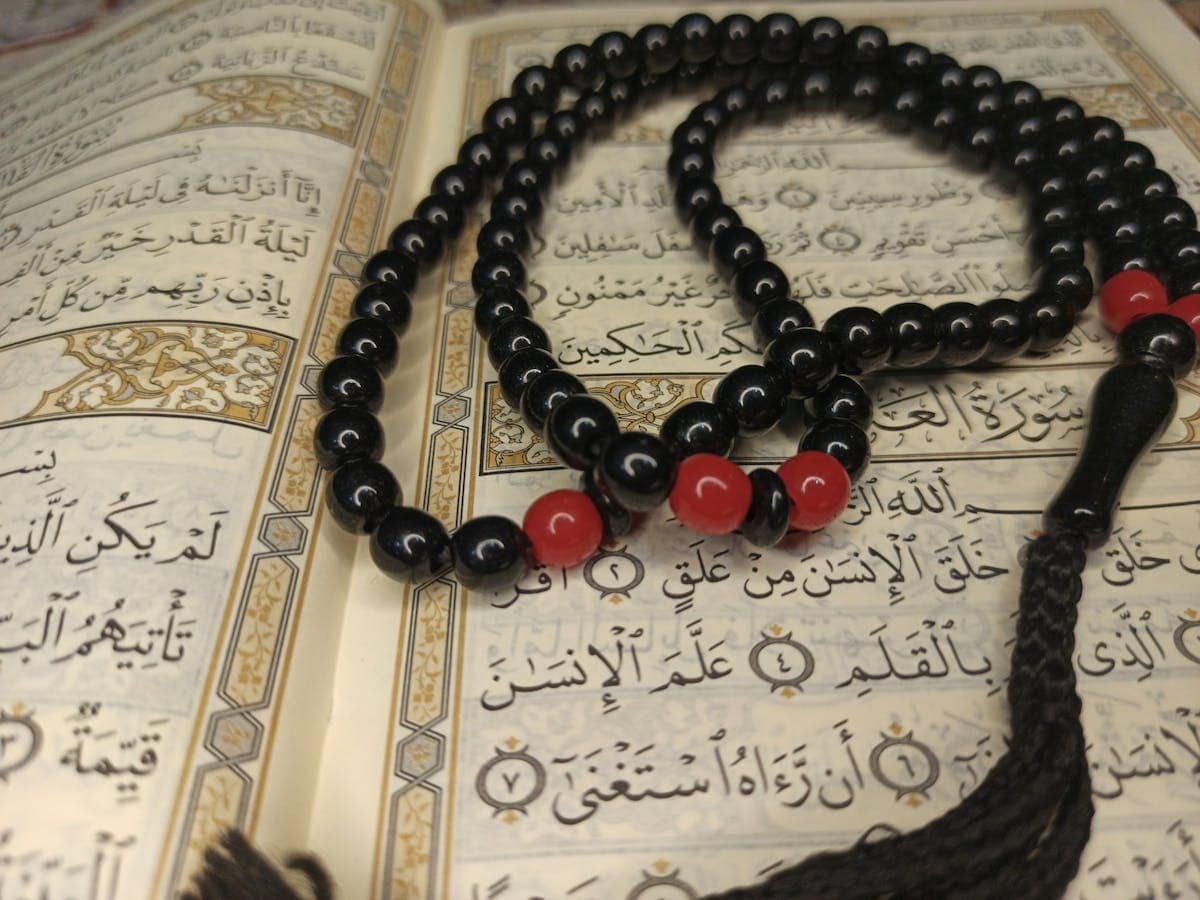
Let’s delve into the depths of the Quran to explore the symbols present within it and unveil their deep meaning. The Quran is a text rich in metaphors and allegories, aiming to convey complex spiritual concepts in an accessible manner to believers.
A recurring symbol in the Quran is that of light. Light represents divine guidance, inner illumination, and spiritual knowledge. It also symbolizes the eternal truth that God reveals to His faithful. In the Quran, it is said: ‘God guides to His light whom He wills’ (Quran 24:35). This metaphor of light invites Muslims to constantly seek the truth and move towards a deeper understanding of their faith.
Another powerful symbol present in the Quran is that of the paradisiacal garden, called Jannah in Arabic. This lush garden represents the supreme happiness and eternal bliss promised to virtuous believers after their time on Earth. The poetic descriptions of Jannah highlight rivers flowing beneath majestic trees, delicious fruits, and immeasurable peace. This symbol reminds believers of the importance of leading a pious life in order to attain ultimate happiness with God.
The night journey of the Prophet Mohammed to Jerusalem and his celestial ascension, known as Isra wal Miraj, constitutes another major symbol of the Quran. This spiritual journey symbolizes the elevation of the soul and closeness to God. It also represents the human capacity to transcend earthly limits to reach higher dimensions of spirituality.
The last symbol we will explore is that of the scale. The scale evokes the Last Judgment, where each soul will be weighed on a divine scale to determine its eternal fate. This underscores the central idea of fairness and justice in Islam, where everyone will be rewarded according to their actions in this life.
The symbols present in the Quran play a crucial role in conveying spiritual teachings to Muslims. Concepts such as light, the paradisiacal garden, the celestial journey, and the scale reinforce the fundamental beliefs of Islam and invite the faithful to deepen their relationship with God in search of a more profound understanding of their faith.
Muslim Beliefs: Crucial Importance in Daily Life
Let’s delve into the daily life of Muslims and examine the vital importance of their beliefs. The teachings of the Quran are a source of inspiration and guidance for the faithful, influencing all aspects of their existence.
The first cornerstone of Muslim beliefs lies in the confession of faith: “There is no deity but Allah, and Mohammed is His messenger.” This fundamental declaration testifies to total submission to God, as well as a deep attachment to His last prophet. It reminds Muslims of the paramount importance of establishing an intimate relationship with the Creator in every aspect of their lives.
Another central pillar of Islamic convictions is the regular practice of ritual prayers, known as salat. These daily prayers allow the faithful to connect directly with Allah and are an essential means to maintain a close spiritual relationship with Him. They also serve to remind Muslims of the impermanence of the material world and the supreme importance given to the spiritual dimension.
Fasting during the holy month of Ramadan also holds a crucial place within Islamic beliefs. During this blessed month, Muslims strictly abstain from food and drink from dawn until dusk. This fast represents not only a physical purification but also a spiritual one by strengthening willpower and cultivating a heightened sense of empathy towards the less fortunate. It is a practice that encourages discipline and self-control, as well as gratitude for God’s blessings.
The pilgrimage to Mecca, known as Hajj, constitutes a major event in a Muslim’s life. Every year, millions of faithful from around the world gather to perform this sacred ritual. The Hajj symbolizes the unity of believers and reminds Muslims of their deep commitment to Allah. It is a unique spiritual experience that strengthens the bond between each individual and their Creator.
It is also important to mention the significance of moral and ethical values in the daily lives of Muslim believers. The Quran continually urges the faithful to practice compassion, honesty, generosity, and justice in all their interactions with others. These fundamental values guide the actions of Muslims within their community as well as in society as a whole.
Beliefs play a central role in the daily lives of Muslims by orienting their thoughts, attitudes, and behaviors towards an intimate relationship with Allah. The teachings of the Quran influence all aspects of their existence: from their daily prayers to their attitude towards adversities or when they work to build a society based on equality and social justice. All of this reflects how these convictions contribute to shaping a specific way of being in the world, tinged with spirituality and commitment to the fundamental principles of Islam.
Islamic Art and Architecture: The Power of Quranic Symbols
The Quran, as the sacred book for Muslims, also has a profound influence on Islamic art and architecture. The Quranic symbols can be found in many visual aspects of these remarkable artistic expressions.
One of the most remarkable manifestations of this influence is found in the complex geometric patterns used in Islamic architecture. These patterns are often inspired by the verses of the Quran and symbolically represent the divine order inherent in creation. Intertwined arabesques, eight-pointed stars, and other repetitive motifs create a stunning visual harmony while reminding the faithful of the divine perfection present in all aspects of their lives.
Quranic calligraphy also plays an essential role in Islamic art. The aesthetic beauty of the Arabic letters that compose the sacred text is highlighted through various calligraphic styles such as Kufi, Naskh, or Thuluth. These works of art convey not only religious messages but also a devoted appreciation for the divine word itself. Whether on mosque walls, ancient manuscripts, or even adorned jewelry, Quranic calligraphy embodies a unique fusion of art and spirituality.
Some specific symbols found in the Quran have been incorporated into various key Islamic architectural elements. For example, the crescent moon is often used to adorn the domes of mosques and symbolizes the divine presence in these places of worship. Minarets, which are towers associated with mosques, represent the voice of the muezzin calling the faithful to daily prayer.
In summary, Islamic art and architecture are heavily influenced by Quranic symbols. These artistic expressions convey not only remarkable visual beauty but also a deep connection with the teachings of the Quran. Whether through complex geometric patterns, exquisite calligraphy, or distinctive architectural symbols, these artistic manifestations reflect the unconditional and devoted love of Muslims for their faith as well as their desire to create a tangible link between the spiritual and the material in their physical environments.
Modern Muslim Society: The Impact of Beliefs and Quranic Symbols
One of the major currents of Islam is Sunni Islam, which represents the majority of Muslims around the world. In this tradition, beliefs and Quranic symbols exert a profound influence on modern Muslim society.
The fundamental beliefs of Sunni Islam are rooted in the Quran itself. Sunni Muslims regard this sacred book as the divine word revealed to the Prophet Muhammad through the angel Gabriel. Each verse of the Quran is revered and seen as an undeniable source of authority to guide their daily lives.
This translates into a strong attachment to the moral values advocated by the Quran, such as justice, compassion, and piety. These main pillars directly influence the individual and collective behaviors within modern Muslim society.
Quranic symbols also play a crucial role in the expression and affirmation of their religious convictions. Among these symbols is the crescent moon, which is widely associated with Islam and its lunar cycles used to determine important dates in the Islamic calendar such as that of the holy month of Ramadan.
Some specific surahs or verses may be considered spiritual emblems for certain religious groups within Sunni Islam itself. The surah Al-Fatiha (the Opening) or Ayat al-Kursi (the Throne Verse), for example, are passages frequently recited in prayers and considered particularly powerful.
In modern Muslim society, these beliefs and Quranic symbols have a significant impact on various aspects of daily life. They guide social behaviors, influence how Muslims interact with each other and with the rest of the world.
They also shape religious and artistic architecture within Muslim communities. Mosques are often built following certain architectural codes that reflect not only aesthetics but also a deep symbolism related to Islamic spirituality.
Beliefs and Quranic symbols hold a prominent place in modern Muslim society. They are both sources of individual spiritual inspiration and collective drivers for shaping their common religious identity. Understanding these beliefs and symbols is essential to fully grasp the complexity of this millennia-old religion known as Islam.