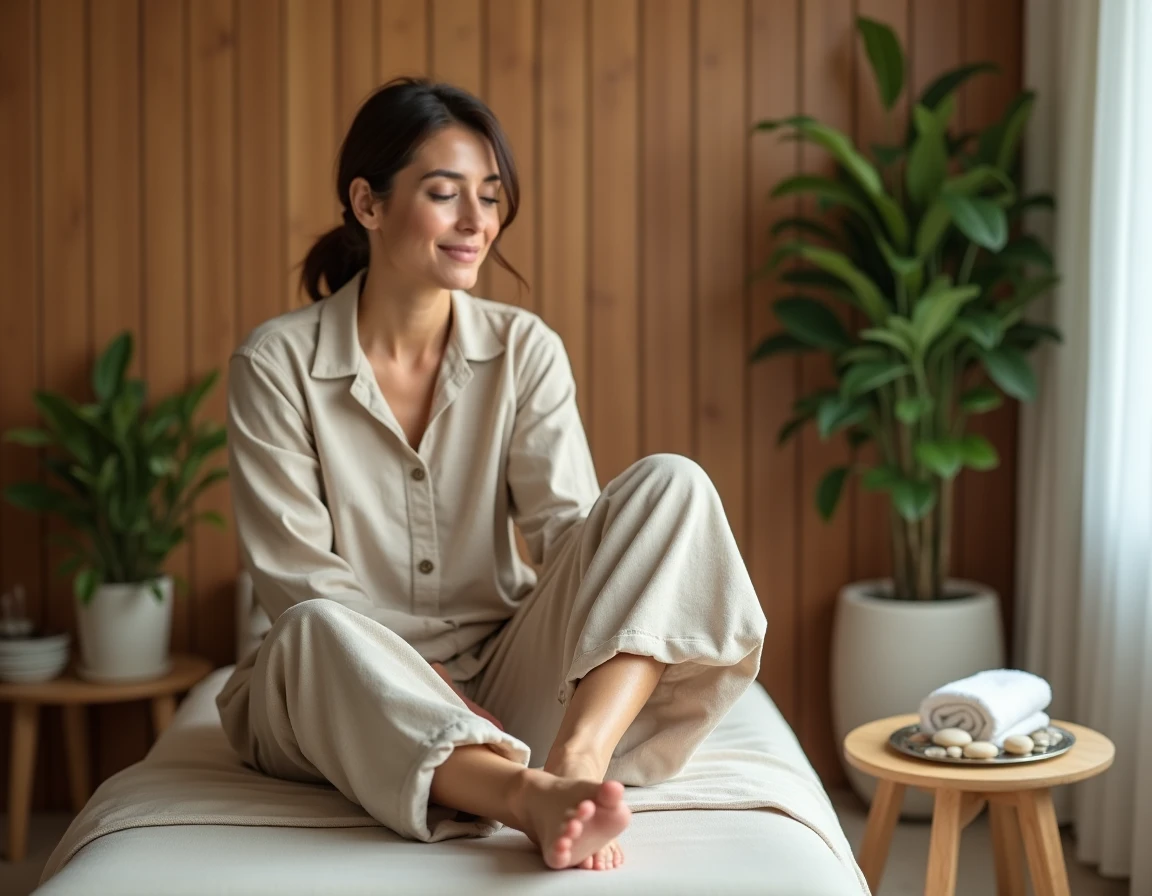
A reflexology session focuses on the feet, sometimes the hands or ears. The choice of attire directly influences the patient’s comfort and the practitioner’s work. The clothing worn that day affects access to reflex zones, blood circulation during the session, and even the hygiene conditions of the practice.
Hygiene and Attire in Reflexology Practices: What Has Changed Since Covid
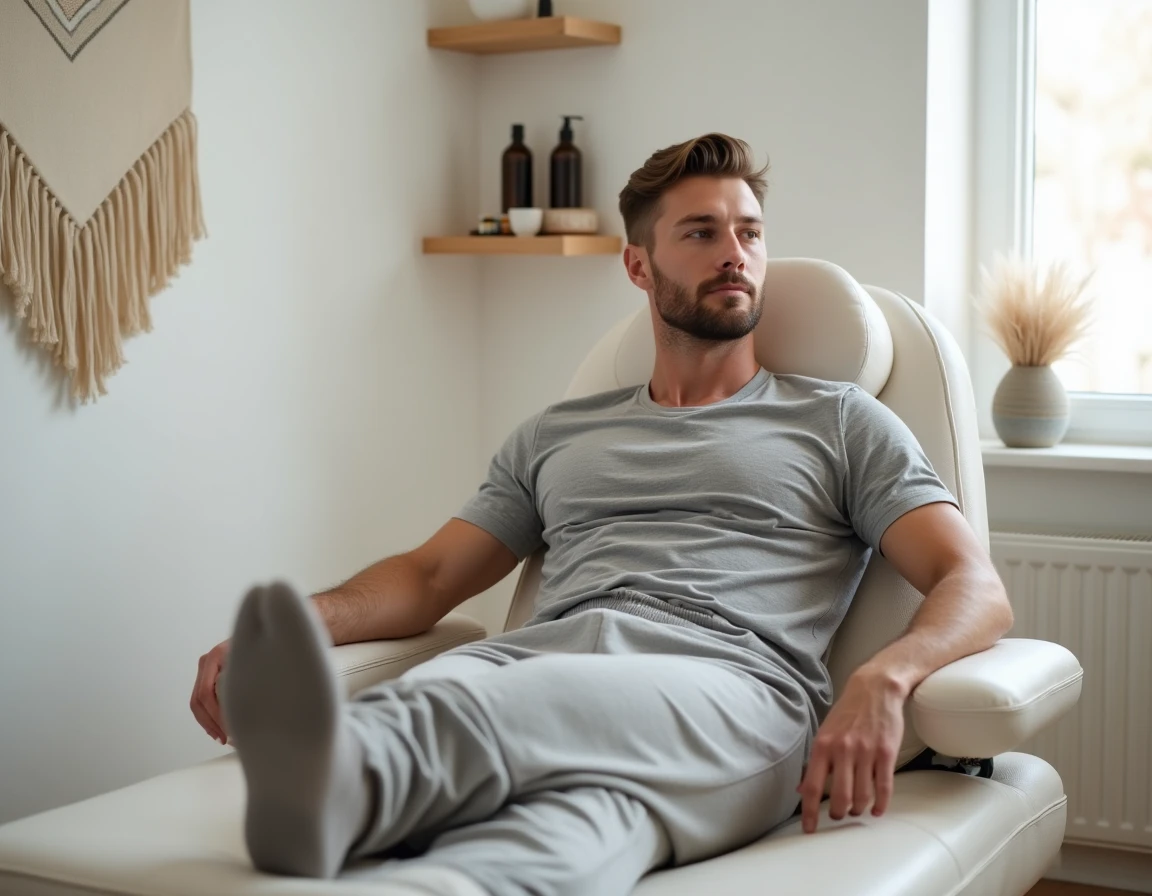
Since 2021, the health protocols applied in wellness practices have evolved. Several practitioners and professional organizations now recommend that patients bring clean socks to put on after foot cleaning. The goal is to limit contact between bare skin and common surfaces (floor, footrests, mats).
This hygiene requirement changes the way one prepares their outfit. Wearing socks that are easily accessible in a bag, planning clothing that doesn’t drag on the floor when lifted: these details matter. In Europe, regional recommendations aligned with aesthetic and wellness practices encourage practitioners to request clothing that can be easily lifted without contact with the floor or furniture, to simplify disinfection between patients.
The issue is not solely regulatory. Loose pants that the patient can easily pull up reduce setup time, allowing for more effective care time. As detailed in the full article on Beauty Inc, adapting one’s attire to the constraints of the practice is an integral part of preparing for a session.
Pants and Lower Body: The Garment That Truly Changes the Session
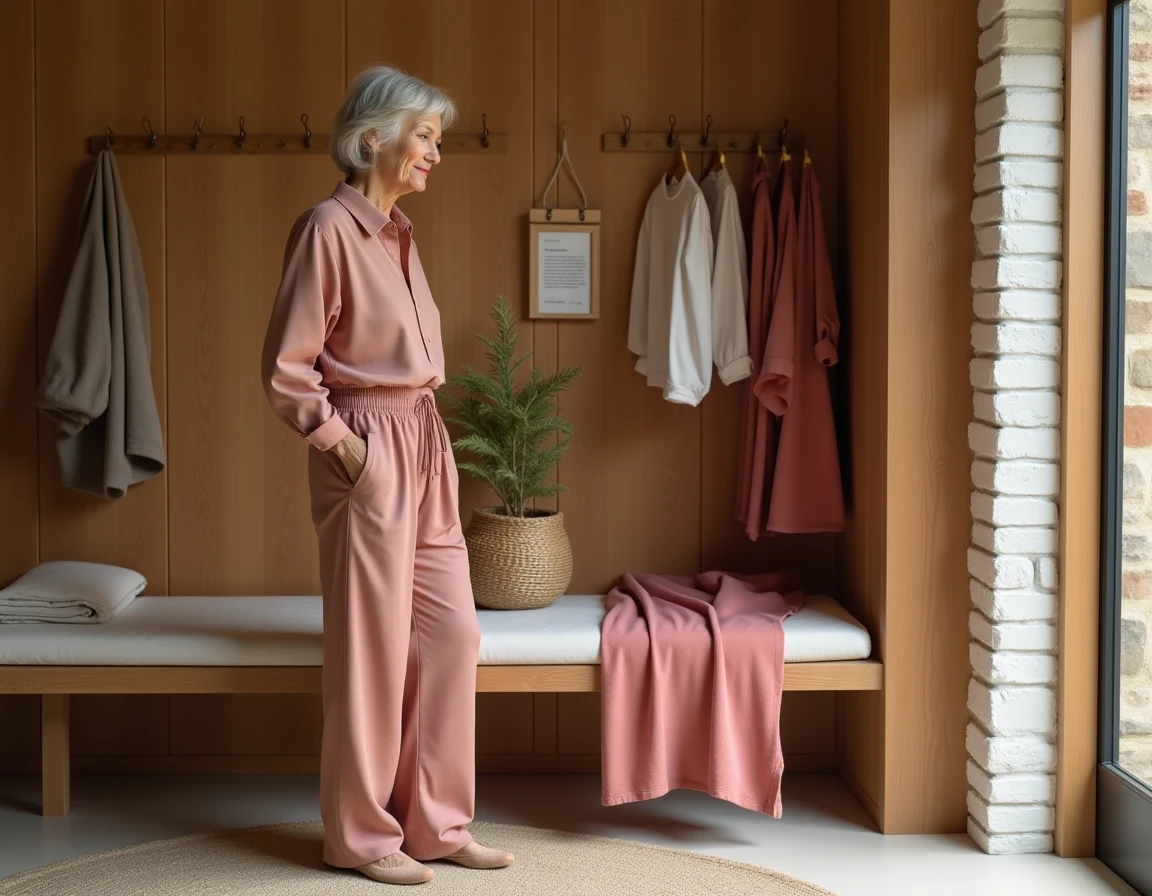
Foot reflexology requires free access to the feet, ankles, and sometimes calves. Therefore, the lower body represents the most critical clothing choice.
Loose Pants or Leggings: Two Different Approaches
A loose cotton or linen pant can easily be rolled up above the knee. It does not compress the ankle or calf, which promotes venous circulation while the practitioner works on the reflex points.
Leggings offer flexibility, but a model that is too tight around the lower leg can leave compression marks on the skin. Some reflexologists report that these marks hinder the tactile reading of reflex zones. However, a legging with an elastic waistband and stretchy fabric remains a functional choice if the knit is not too tight around the ankles.
What to Avoid
- Classic jeans, which are rigid and difficult to pull up above the calf, sometimes require removing the pants, extending preparation time and reducing care time
- Stockings or compression tights, which must be completely removed and create unnecessary logistical constraints
- Long skirts or loose dresses, which may seem practical but frequently slide down the legs and disrupt the practitioner’s work
A flexible pant that can be pulled up to the knee remains the most suitable choice for the majority of foot reflexology sessions.
Skin Allergies and Laundry Choices: An Underestimated Factor
Feedback from practitioners published in recent years indicates a rise in skin reactions related to laundry detergents and fabric softeners, particularly around the ankles and feet. The skin in these areas, thin and often covered, reacts to prolonged contact with chemical residues present in the fabric.
For individuals with sensitive skin, washing the clothes worn during the session with a hypoallergenic product reduces the risk of irritation. This point also applies to the socks brought for the end of the session. Fabric freshly washed with a scented softener can cause redness on a foot that has just been manipulated for an extended period.
Field reports vary on the extent of the phenomenon: not all patients are affected. However, practitioners who work with oils or creams during the session note that the combination of detergent residue and care product increases the risk of reaction.
Upper Body and Accessories: What Disrupts Without Us Realizing
Reflexology is generally practiced lying down or semi-reclined. The upper body is not directly engaged, but it contributes to overall comfort.
A cotton t-shirt or a soft short-sleeved top is sufficient. Synthetic materials that retain heat can cause excessive sweating, making relaxation more difficult. Opting for breathable fabrics made from natural fibers helps maintain a stable body temperature throughout the duration of the treatment.
Regarding accessories, a few simple precautions are necessary:
- Remove ankle bracelets and foot chains before the session, as they interfere with the practitioner’s pressure and may injure the skin
- Avoid rigid belts or metal buttons at the waist, which press against the abdomen when lying down
- Leave bulky jewelry (wide watches, multiple rings) in the locker to avoid snagging the fabric of the treatment table
A detail often overlooked: thick nail polish on the toes can mask the natural color of the skin, which some reflexologists use as a complementary visual indicator during foot examination.
The ideal outfit for a reflexology session comes down to a few essentials: loose pants, clean socks on hand, clothes washed without harsh products, and minimal accessories on the feet. The comfort of the patient and the effectiveness of the practitioner depend on these simple choices made even before entering the practice.